Why Electrical Maintenance Is the Smartest Investment for Any Sydney Property
This article explores why Electrical Maintenance is critical for every Sydney property owner—from homes to businesses and rentals. It breaks down what real inspections involve, how often to do them, and the true cost of neglect. Don’t gamble on guesswork. Get ahead of electrical faults before they become financial disasters.
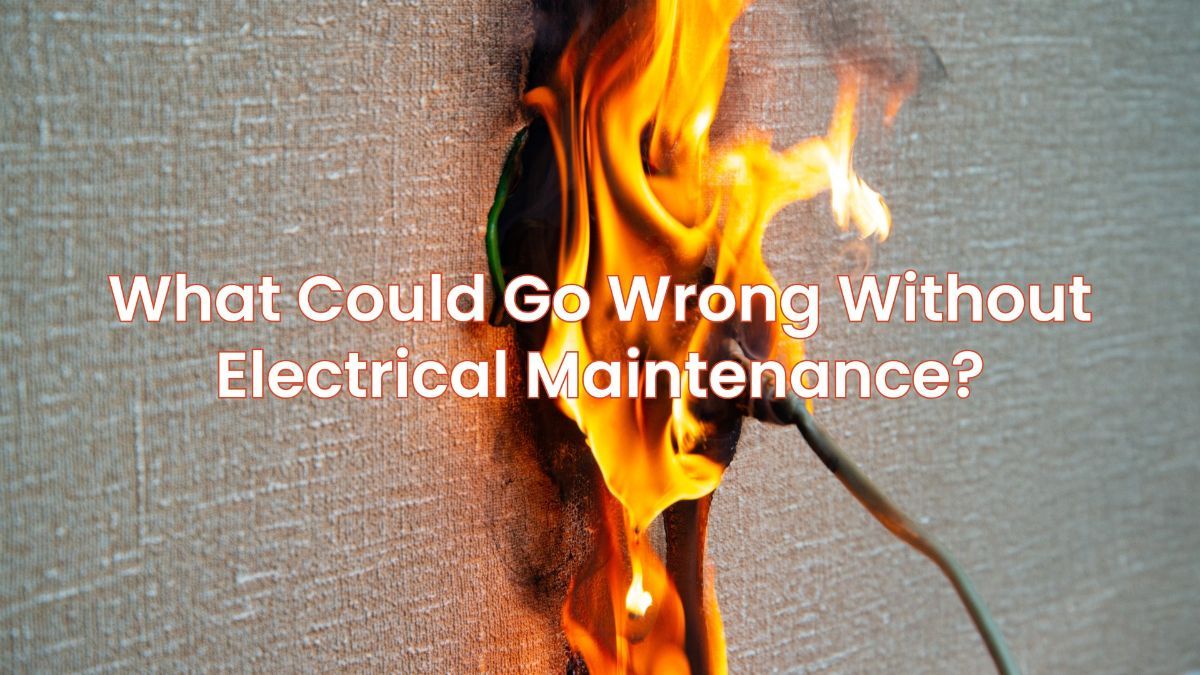
Your Property’s Electrical System Has an Expiry Date
It’s easy to assume the lights will always turn on. That switches will click. That outlets will power devices without issue. But electrical systems aren’t immortal. Like any infrastructure, they wear out. And in Sydney, where many buildings are decades old, worn-out wiring is a silent hazard waiting to strike.
Every switch, outlet, and fuse has a limit. And unless you’re checking, you won’t know it’s near the end—until it fails.
Routine Electrical Checks: More Than Just “Nice to Have”
There’s a dangerous mindset around electricity: “If it’s not broken, don’t fix it.” The problem? Most faults don’t start with sparks. They start with slow degradation—heat buildup, insulation wear, rusted connections. These things don’t scream. They whisper.
Regular Electrical Maintenance prevents minor issues from snowballing into system failures. That’s not just responsible—it’s financially smart.
Why Sydney Properties Face Unique Electrical Risks
The Sydney market is full of character homes, early 2000s commercial builds, and new high-density developments. That mix creates problems.
Old Meets Overloaded
Older homes were wired for simpler times: a TV, a few lights, maybe a microwave. Today’s homes have EV chargers, ducted air con, gaming rigs, multiple fridges, and constant Wi-Fi hubs. It’s a whole new demand—and many electrical systems can’t keep up.
Renovations Hide Faults
In flipped or updated properties, cosmetic fixes often cover up electrical shortcuts. That pristine new kitchen? It might be hiding ungrounded outlets or overloaded circuits.
Routine maintenance uncovers what’s behind the walls, not just what’s visible.
What Gets Checked During Professional Electrical Maintenance?
A full inspection doesn’t just skim the surface. It should cover every critical point of your electrical system. Here’s what a real technician will look at:
Switchboards: Are they compliant, modern, and protected with safety switches?
Wiring: Is insulation degrading? Are there signs of heat or pests?
RCDs and circuit breakers: Are they functioning as required by law?
Power points and lighting: Any wear, sparking, or discolouration?
Smoke alarms: Are they hardwired, and do they respond to test signals?
Load balancing: Is your system capable of handling peak usage without tripping?
If they’re not checking all these, you’re not getting real maintenance.
Residential Risks: What Homeowners Overlook
Homeowners usually only call electricians when something stops working. But by that point, it’s already too late. Here are the risks people don’t see coming:
Melting wires behind walls from excess heat
Unprotected switchboards without RCDs (a legal requirement)
Electrical surges that damage appliances and solar systems
Hidden moisture exposure near bathroom wiring
Rats or possums chewing through insulation
Sydney homes are vulnerable, especially if you’ve lived there for years without a full checkup.
Commercial Sites: The Cost of Downtime
For business owners, electrical maintenance is about more than safety—it’s about revenue. When your EFTPOS system cuts out or your office loses lighting mid-day, you’re losing more than power—you’re losing money.
Legal Liability for Workplace Safety
Failing to maintain safe electrical systems can violate work health and safety regulations. If a staff member or customer is shocked or injured due to a known fault, the liability falls on you.
What’s Included in Commercial Maintenance?
Emergency lighting checks
Testing and tagging equipment
Compliance with AS/NZS 3760
Inspection of server rooms and load-bearing connections
Maintenance logs and regulatory documentation
Don’t leave this to chance. Regular checks keep your business protected and legally compliant.
Rental Properties and Strata: No Room for Neglect
Landlords and property managers in Sydney are legally obligated to provide safe living conditions. That includes electrical safety.
Common Failures in Rentals
Light switches sparking or not responding
Loose or broken outlets
Non-functioning smoke alarms
DIY fixes done by previous tenants
A proper maintenance plan keeps tenants safe and shields landlords from legal claims. It also boosts retention—tenants stay longer in properties where things actually work.
The False Economy of Ignoring Electrical Maintenance
Let’s talk cost.
Avoiding electrical inspections might save a few hundred dollars now. But it opens you up to thousand-dollar (or higher) risks later. Here’s the breakdown:
ScenarioCost with MaintenanceCost WithoutSwitchboard upgrade needed$0 (identified early)$2,500–$5,000Smoke alarm failure in rental$200 (test and replace)Legal liabilityFull rewire after a fire$0 (if issue caught)$10,000+Circuit overload burning appliances$150 (breaker repair)Appliance losses
Avoiding maintenance is not saving. It’s deferring disaster.
How Often Should You Schedule Maintenance?
The right frequency depends on the type of property and its usage.
Homes (under 10 years old): Every 5 years
Homes (over 15 years old): Every 3 years
Commercial sites: Annually or biannually
Factories/industrial: Quarterly, or after every major upgrade
Rental properties: At every tenant changeover and once every 2 years minimum
A good maintenance plan isn’t random—it’s tailored.
Real Story: The Airbnb That Almost Burned Down
A Sydney couple ran a popular Airbnb out of their granny flat. Everything seemed fine—until a guest reported a power surge that knocked out the lights. They called an electrician, assuming it was minor.
Turns out, a faulty outlet had melted internally. The heat was close to igniting the insulation behind the wall.
What saved them? Calling in the pros before it actually burned. Their electrician replaced multiple aged components and rewired key parts of the flat.
Cost: $950. Potential loss without it? The entire structure—and their side income.
Who Should You Trust for Maintenance?
Not all electricians are created equal. You want someone who:
Is licensed and insured
Understands NSW compliance standards
Works clean and fast
Uses diagnostic equipment (not guesswork)
Gives you a written report, not just a thumbs-up
That’s why Sydney residents rely on Lightspeed Electrical for premium Electrical Maintenance. Their team doesn’t just show up—they strategize, test, report, and solve issues before they cost you.
Planning Ahead: The Smart Way to Maintain
Electrical maintenance should never be reactive. Smart owners and managers take a strategic approach:
Baseline Audit
Book a full inspection now to understand your system’s condition.Priority Repairs
Handle immediate threats first. Don’t delay what’s dangerous.Preventative Calendar
Set a recurring inspection cycle that matches your property type.Document Everything
Save reports, invoices, and photos. They help with insurance, resale, and compliance.Don’t DIY
Never attempt your own wiring fixes. Ever.
Maintenance isn’t just about fixing wires. It’s about preserving value, protecting people, and avoiding chaos.
Conclusion: Protect What Matters Most
Electrical systems are like veins—they run beneath the surface, keeping your home, business, or building alive. But unlike veins, they don’t heal themselves. If neglected, they degrade, break, and destroy.
You wouldn’t skip car servicing for a decade. So why ignore the wires powering everything you rely on?
Book a professional. Build a plan. And treat Electrical Maintenance like the essential investment it is.