## Your Office Power Was Designed for Occupancy Not Performance
It was designed to get people in, plug things in, and survive inspection. Not to support real operations at real capacity. Not to handle growth. Not to deliver reliable performance when pressure hits.
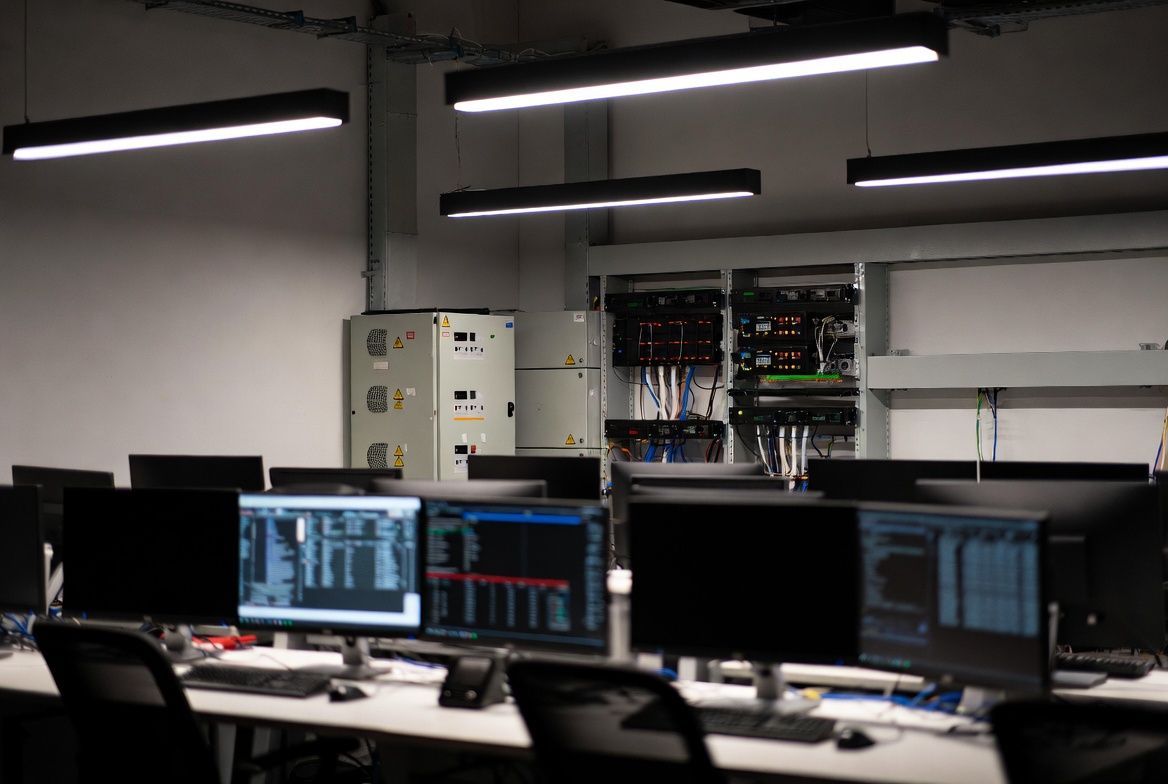
Your Office Power Was Designed for Occupancy — Not Performance
Here’s the harsh truth most businesses discover too late:
Your office power works… but only just enough.
It was designed to get people in, plug things in, and survive inspection. Not to support real operations at real capacity. Not to handle growth. Not to deliver reliable performance when pressure hits.
After more than a decade on commercial sites, I’ve seen it over and over: power systems that “look fine” on move-in day crumble as soon as real work begins.
Why Occupancy-Focused Design Falls Short
Most commercial electrical setups are designed with occupancy in mind:
Enough outlets per desk
Lighting sufficient for the number of people
HVAC powered for expected usage
Switchboards sized to current load
On paper, this works.
In practice, it doesn’t. Because real performance isn’t just about providing power points. It’s about handling peaks, supporting equipment, and sustaining operations under stress.
How Performance Gaps Show Up
Once your office is fully operational, shortcomings become obvious:
Computers, monitors, servers, and printers overload circuits
IT systems slow down or crash under peak load
Lights flicker when multiple systems run simultaneously
HVAC and air-conditioning struggle to maintain temperature
Breakers trip more often than they should
All symptoms of a system optimized for occupancy, not performance.
Why Businesses Only Notice After Move-In
This is where most office owners get caught off guard:
During design, everything “passes” compliance and inspection
At move-in, the building is operational but still under minimal stress
Early usage masks weaknesses
Only when load grows does performance degrade
By then, retrofits or upgrades are expensive and disruptive — because they weren’t planned in advance.
The Real Cost of Skimping on Performance
Occupancy-based design might save a little on initial installation, but it costs far more later:
Emergency call-outs disrupt business hours
Retrofitting boards or circuits interrupts operations
Equipment life shortens under unstable power
Staff productivity drops due to unreliable systems
And all of this could have been avoided with proper planning for performance, not just compliance.
How Experienced Commercial Electricians Approach This
A seasoned Commercial Electrician Sydney doesn’t just design for “how many people will be in the office.” They design for how the office actually operates under full load, including growth and unexpected demand.
At Lightspeed Electrical, that means:
Switchboards with spare capacity and headroom
Circuit separation for critical and general loads
Planning for peak simultaneous usage
Redundancy and isolation pathways for maintenance
Future-proofing for upgrades and expansion
This approach ensures offices don’t just function on day one — they perform consistently over time.
👉 Commercial Electrician Sydney
Occupancy vs. Performance: The Bottom Line
Designing for occupancy is a checkbox exercise.
Designing for performance is foresight.
Most offices discover this gap the hard way — during operational crises, downtime, or expensive retrofits.
If your office power was only designed for occupancy, it’s not a resilient system. It’s a system that will quietly limit your business until you’re forced to invest more — in stress, downtime, and emergency work.
Commercial electrical isn’t about fitting people into a building.
It’s about making sure the building actually works under the demands of real business.
Because when it comes to office operations, power isn’t about presence. It’s about performance.